BlogOctober 19, 2026
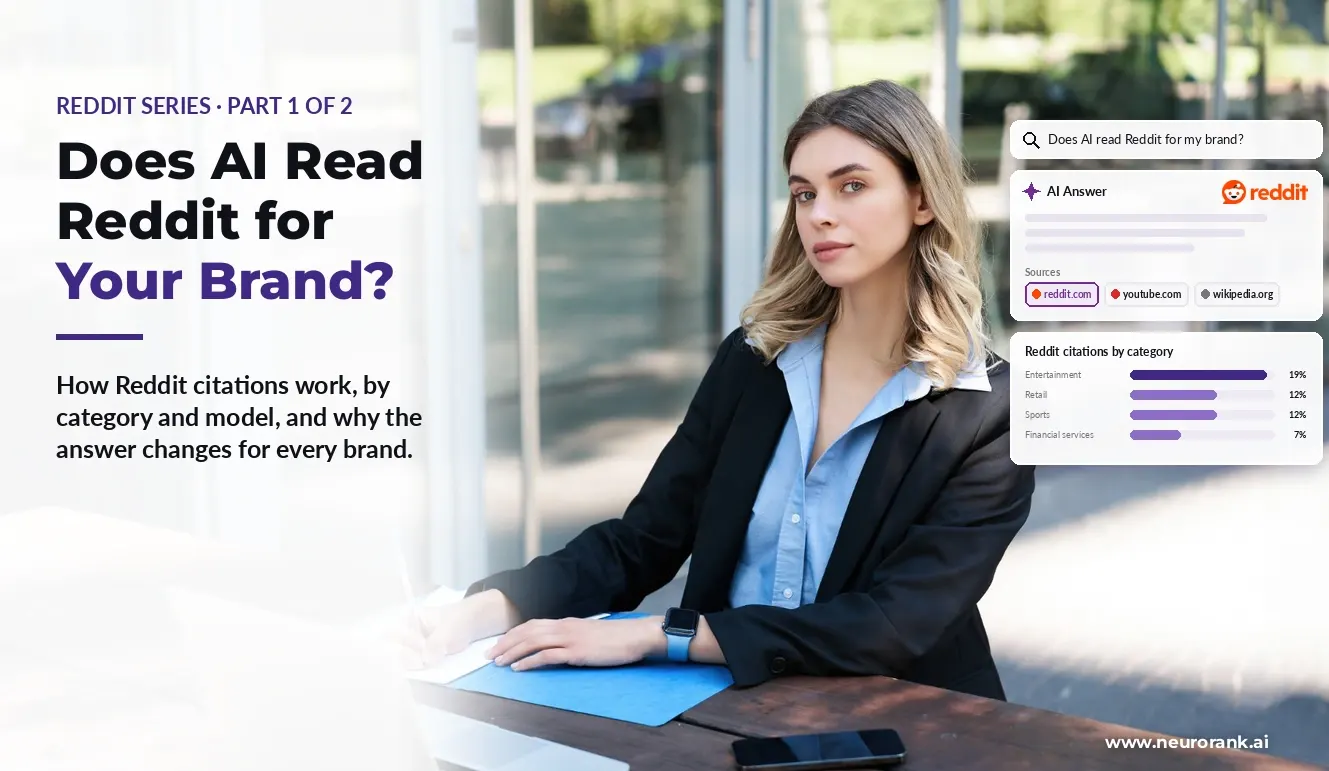
Does AI Read Reddit for Your Brand? Category and Model Decide

Ambika SharmaFounder at Pulp Strategy Communications and NeuroRank.



Founder at Pulp Strategy Communications and NeuroRank.
Subscribe for Newsletters
An automotive supplier can deliver a physical component, embedded software, a cloud service, or an integrated system. AI search visibility for auto components and mobility software should make that engineering role explicit. A broad mobility label can hide the difference between a demonstrable capability and a capability attributed by association.
Bosch Mobility’s public software portfolio provides a useful example of these boundaries. The analysis below treats hardware, software, and system integration as distinct evidence questions, with engineering owners verifying the scope of every material claim.
It helps an engineering buyer find the right supplier evidence and identifies where an answer assigns the wrong role. Measure the supplier’s inclusion for an eligible program, then check product scope, integration responsibility, supported environment, and the evidence behind any qualification claim.
An early supplier search can combine vehicle architecture, function, integration needs, development stage, and geography. Publish the capability at that level. A broad company profile may establish identity, while a solution page and qualified technical discussion establish whether the supplier fits the particular engineering brief.
Assess readiness by the completeness of the capability record. Distinguish development services, licensed software, production components, and integrated systems. Give each a current source and owner. A maturity score for the whole auto-technology sector would require a defined sample and method beyond this review.
First establish technical and commercial eligibility for the program. Then inspect whether public descriptions confuse a demonstration with production availability, a partner capability with an owned product, or a group portfolio with a local delivery team. An observed omission becomes actionable when its relevant source gap is identified.
Bosch Mobility’s software portfolio lists distinct offerings, including software, cloud-related services, and integration-oriented solutions. The source finding is that capability should be evaluated at the offering level. It does not establish that a particular AI assistant made an error about Bosch or another supplier.
Read the answer as a supplier-capability statement. Identify what the company develops, what it supplies, and what the buyer would still integrate or validate. Qualification, safety, security, and compliance statements require the exact supporting evidence and review by the responsible specialist.
A clear capability description can support a more relevant engineering inquiry. Requests for information, technical evaluations, sourcing decisions, and production nominations need their own records. AI inclusion establishes neither program selection nor an IPO, revenue, or valuation effect.
The table distinguishes evidence for an automotive capability claim. It compares verification tasks rather than assistant performance scores.
Capability statement | Evidence to review | Scope to preserve |
|---|---|---|
Production component | Current product and approved program evidence | Part or system identity and availability |
Software capability | Current solution documentation | Function, interface, version, and environment |
System integration | Approved delivery scope | Supplier and customer responsibilities |
Qualification or compliance | Applicable formal evidence | Covered product, process, entity, and period |
Sources: Bosch Mobility: Software portfolio; accessed October 15, 2026.
Assign engineering ownership to the solution catalog. Keep each offering’s role, development status, interfaces, supported environment, and disclosure limits clear. Have the appropriate specialists approve qualification language. Marketing can then explain the verified capability without turning a broad technology theme into a production claim.
Build prompt clusters from engineering buying tasks, such as comparing suppliers for a defined function at a specified program stage. Separate component, software, and integration requirements. Check the answer against the capability record and route a source correction to the owner of the disputed fact.
NeuroRank can organize those engineering prompts, observed supplier descriptions, citations, and source-linked prescriptions. Technical owners approve the factual scope, while the client or agency implements changes. Later measurement checks the same capability question and keeps a new product release separate from an improvement in representation.
A supplier earns a useful shortlist position when its described role matches what the buyer needs. Publish the capability with enough engineering context for that fit to be checked.
Stop paying for clicks that do not convert. Benchmark your AI visibility today with the world's most advanced seo ai tools.
Book a Strategic NeuroRank BriefingPublish the approved capability scope, development stage, relevant public credentials, and a clear route for a qualified technical discussion. Keep confidential program details controlled. A concise, accurate public record can establish relevance while making clear which claims require a governed exchange of additional evidence.